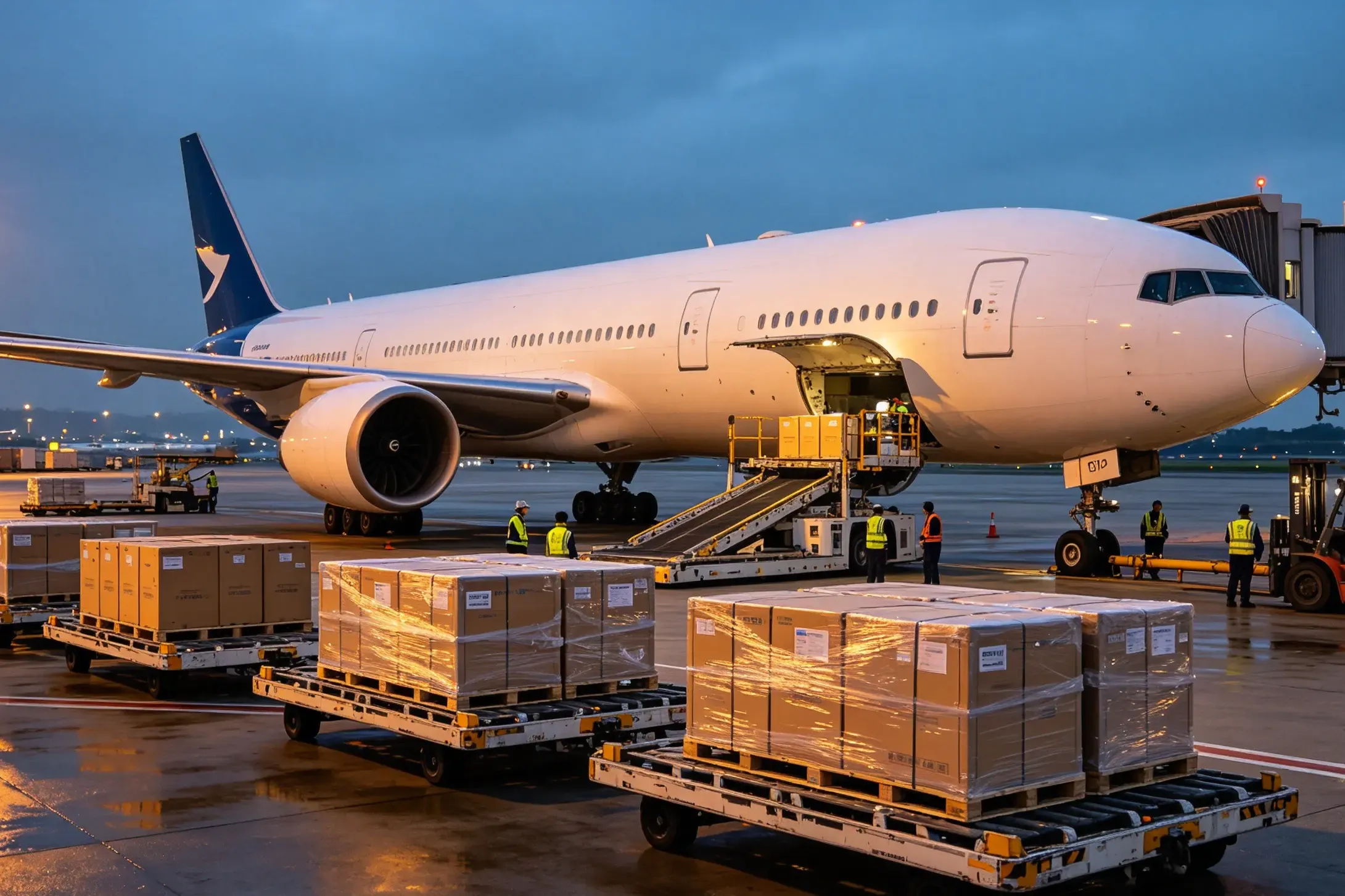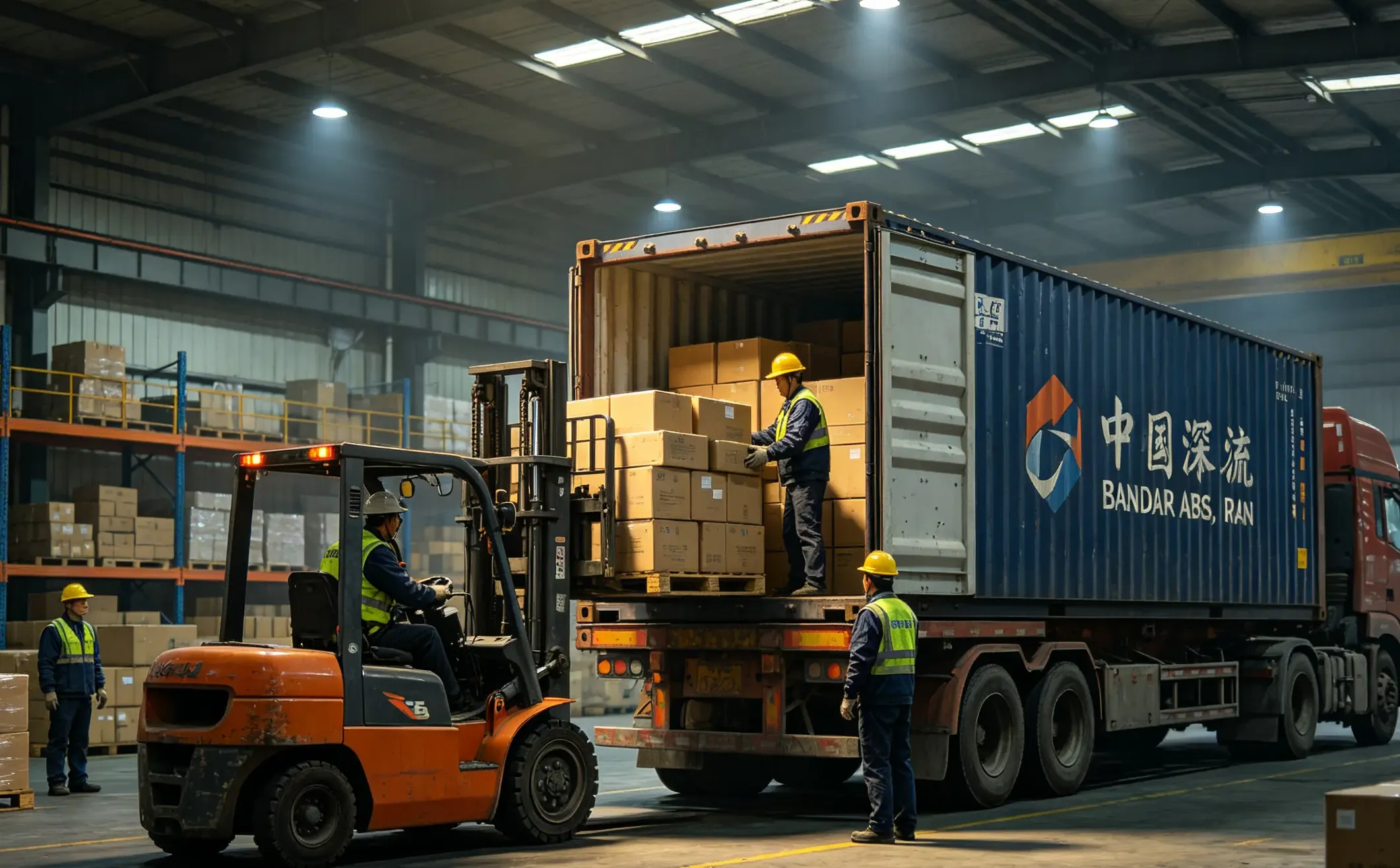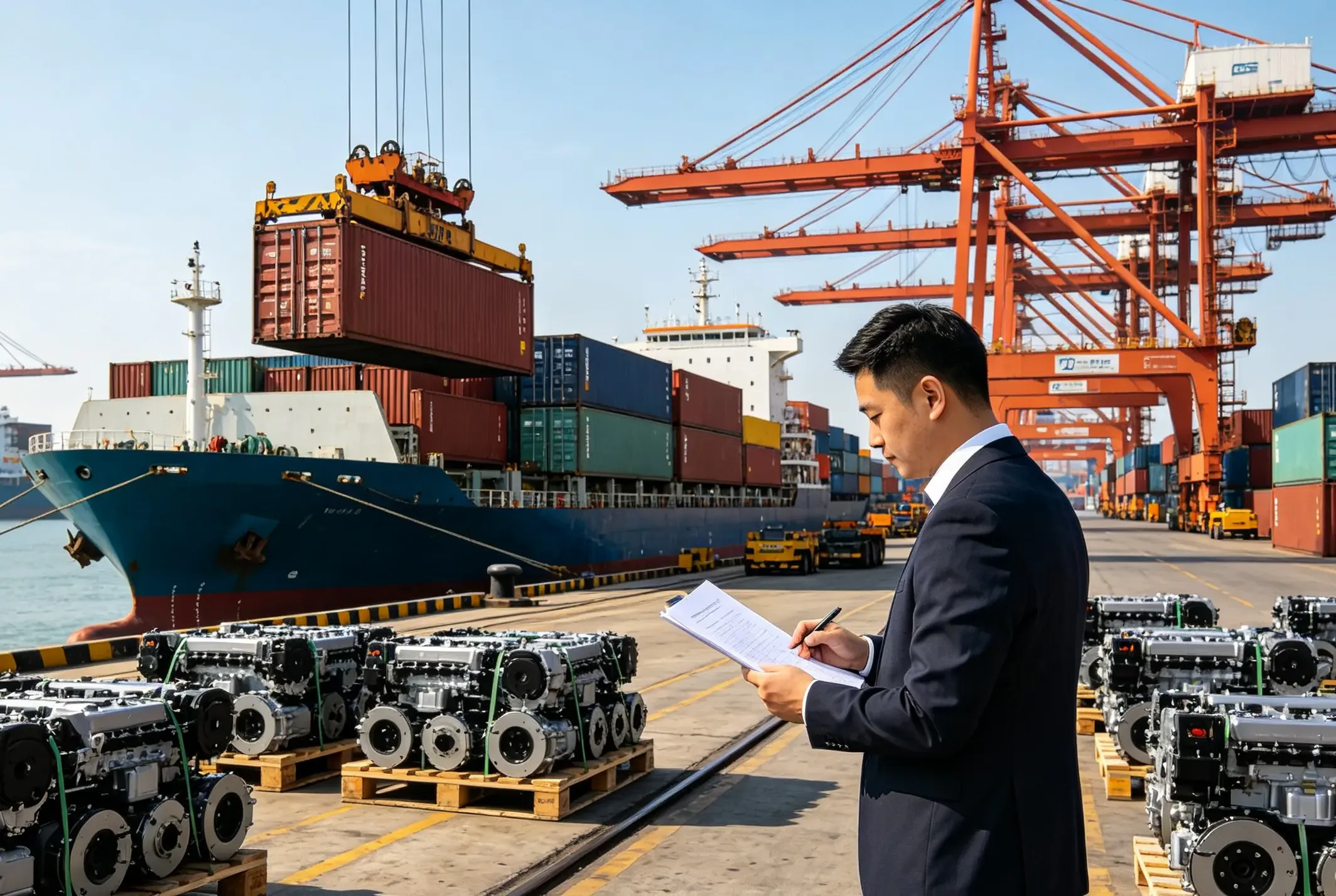
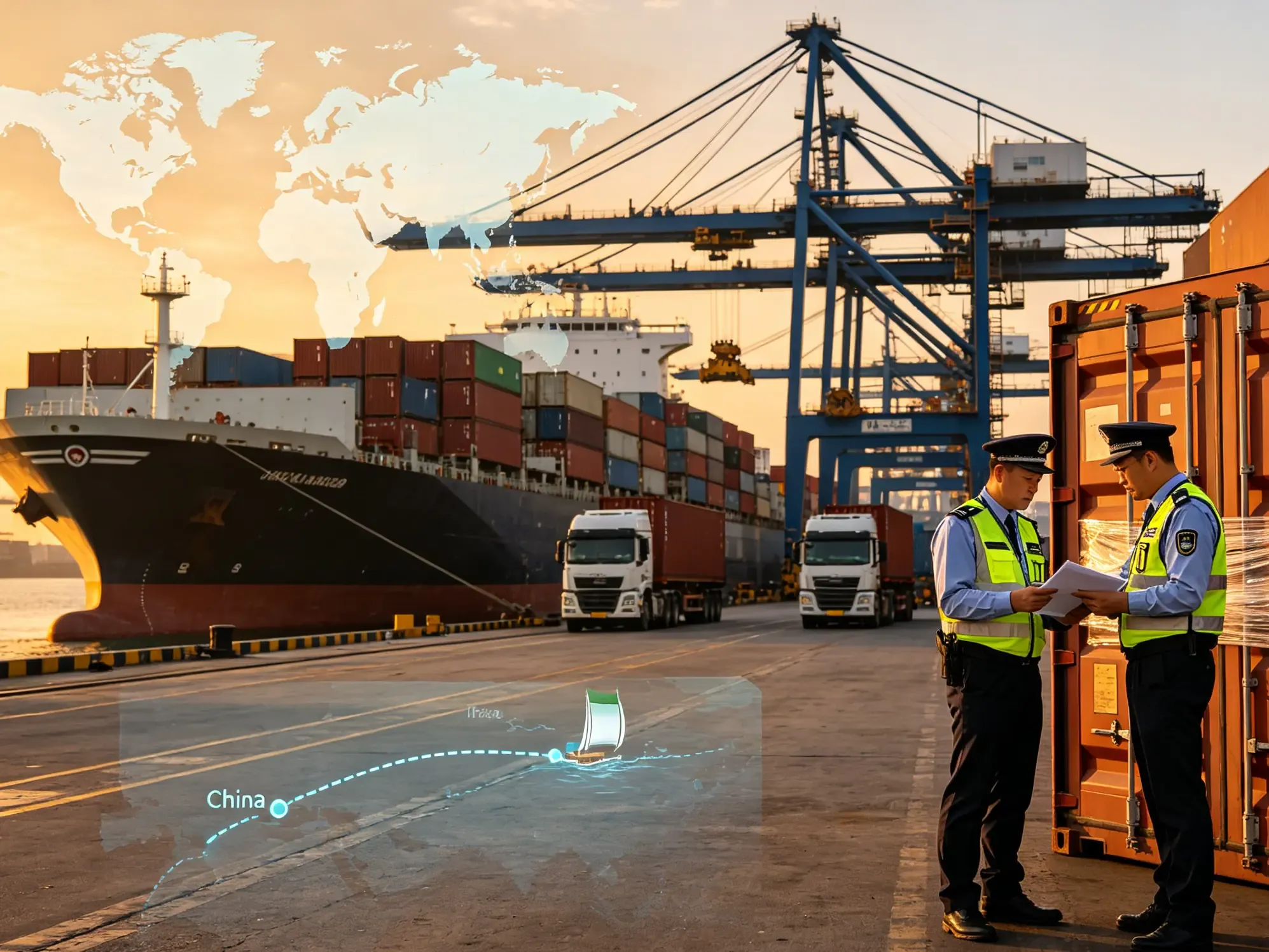
What items are banned when shipping from China to Iran? After managing China-Iran lanes from our Shenzhen office since 2018, we can tell you the answer is not a single list posted on one government website. It is a three-layer compliance puzzle made up of Iranian customs prohibitions, carrier and consolidator restrictions, and overlapping international sanctions. Misread any layer, and your cargo can be seized, fined, abandoned, or tied up for months at Bandar Abbas or Imam Khomeini International Airport.
This guide explains the prohibited and restricted categories you need to know, shows you how to verify whether your product is allowed before it leaves China, and gives you a practical documentation and risk-mitigation framework. Whether you are a B2B importer, an e-commerce seller, or a manufacturer exporting industrial parts, the checklist here can save you from expensive customs surprises.
Last updated: August 2026. Iranian customs rules, ministry permit requirements, and international sanctions lists change frequently. Treat this guide as a starting point and confirm current rules with IRICA, official sanctions regulators, and qualified trade counsel before booking.
1. How Iran’s Import Ban System Actually Works
Iran’s import ban system works through three overlapping compliance layers that every China-to-Iran shipment must clear before delivery is possible.
The first layer is Iranian customs law, enforced by the Islamic Republic of Iran Customs Administration (IRICA) and supported by the Ministry of Industry, Mine and Trade. IRICA publishes a list of goods that are either prohibited outright or allowed only with an import permit from a specific ministry. The second layer is carrier and logistics-network restrictions. Even if IRICA allows a product, a shipping line, airline, express courier, or consolidator may refuse it because of sanctions-screening, re-export rules, or payment restrictions. The third layer is international sanctions and export controls, primarily U.S. OFAC and EAR rules, EU sanctions, and UN Security Council resolutions. These can block trade that Iran itself would otherwise permit.
Understanding the difference between the three categories matters. Prohibited means the item cannot enter Iran under normal circumstances. Restricted means it can enter if the importer obtains the correct permit or license. Sanctions-controlled means the item may be barred by external regulators even though Iran or the carrier would accept it. For example, a shipment of consumer electronics might be legal under Iranian customs rules but blocked by U.S. export controls if the consignee or the technology level is on a restricted list.

Our Industry Insight: In our Shenzhen office, we regularly see importers treat “restricted” as “prohibited.” That mistake costs money. Over the past six years, we have cleared cosmetics, telecommunications equipment, and packaged food products that first-time shippers assumed were banned. With the right Iranian ministry permit and accurate paperwork, these goods can clear customs smoothly; the problem is usually the permit, not the product.
2. China to Iran Cargo Banned Categories: The Prohibited List
The following categories are generally prohibited from import into Iran. If your product falls into one of these groups, the shipment should not be booked without first consulting a qualified trade-compliance advisor.
- Alcohol and alcoholic beverages — any beverage or product with alcohol as an ingredient is banned on religious grounds.
- Pork products and non-halal meat — including ham, bacon, pork-derived gelatin, lard, and any meat not slaughtered according to Islamic requirements.
- Narcotics and psychotropic substances — covered both by Iranian criminal law and international anti-drug conventions.
- Weapons, ammunition, explosives, and military equipment — require defense-ministry authorization and are otherwise prohibited.
- Pornographic or anti-Islamic media and publications — books, films, magazines, images, or digital content judged contrary to Islamic principles or national dignity.
- Gambling devices and tools — dice games, card sets for gambling, and related equipment.
- Counterfeit currency and counterfeit branded goods — fake banknotes, coins, and knock-off products violating trademark laws.
- Israeli-origin products and goods from boycotted entities — Iran maintains a boycott of Israeli-origin products and may reject cargo linked to restricted parties.
- Hazardous and radioactive materials without special permits — chemicals, nuclear-related goods, and dangerous cargo not cleared by the relevant Iranian authorities.
- Used goods — second-hand clothing is generally prohibited; used electronics, machinery, and vehicles usually require case-by-case IRICA approval.
The rationale behind many of these bans is cultural and religious. Iran is an Islamic Republic, and its customs laws reflect religious prohibitions as well as public-health and security concerns. For shippers, the practical point is simple: do not assume that because a product is legal in China or Europe, it is legal in Iran.
3. What Can You Not Send to Iran by Sea Freight?
Sea freight is the dominant mode for shipping from China to Iran, especially for consolidated LCL (Less than Container Load) and full-container FCL (Full Container Load) cargo out of Shenzhen, Ningbo, Shanghai, and Qingdao. However, sea freight is not a loophole for prohibited goods.
In addition to the Iranian customs prohibitions above, carriers and consolidators commonly reject or restrict the following for Iran-bound cargo:
- Alcohol, pork, and pork derivatives
- Items deemed offensive to Islamic values
- Israeli-origin products
- Satellite receivers and related broadcast equipment
- Dual-use electronics with possible military application
- Advanced encryption devices and software
- Luxury goods above locally defined thresholds
- Cannabis-derived products, CBD oil, and poppy seeds
- Counterfeit branded goods
The reason is not always Iranian customs. Shipping lines, banks, and insurers operate under U.S. and EU jurisdiction for much of their global business. If a container includes goods that touch U.S. Export Administration Regulations (EAR), EU Annex IV sanctions, or an OFAC Specially Designated Nationals (SDN) party, the carrier may refuse the booking to protect itself from fines and blocked assets.
Poor labeling and misdeclaration also create problems. A box marked “electronics” without a model number, HS code, or Farsi/English manual can be flagged for inspection, even if the contents are technically allowed. Consolidation errors — where one bad shipment in a shared container contaminates the entire load — are a common cause of delays.
4. China to Iran Restricted Goods List: What Needs a Permit
Many products are not banned but are restricted, meaning they can enter Iran only with the correct permit, registration, or ministry approval.
| Category | Examples | Permit / Approval Authority |
|---|---|---|
| Pharmaceuticals & medical devices | Medicines, syringes, diagnostic kits | Ministry of Health / Medical Equipment permit |
| Cosmetics & hygiene products | Skincare, soaps, wet wipes, perfumes | Ministry of Health registration |
| Telecommunications & GPS devices | Mobile phones, walkie-talkies, drones | Ministry of Information and Communications Technology |
| Food, beverages, seeds & agricultural products | Packaged food, grains, seeds | Ministry of Agricultural Jihad / Veterinary / Plant Quarantine |
| Books, films, media & CDs | Scientific or technical publications | Ministry of Culture and Islamic Guidance / Ministry of Science |
| Radioactive goods & equipment | Medical isotopes, industrial gauges | Atomic Energy Organization of Iran |
| Animals, plants & animal products | Livestock, pet food, hides | Veterinary Organization / Department of Environment |
| Used goods | Second-hand clothing, refurbished electronics | Case-by-case IRICA approval |
The key difference between prohibited and restricted is that restricted goods can move legally if the importer does the paperwork correctly. That often means the Iranian consignee, not the Chinese exporter, must secure the permit. A Freight Forwarder with experience on the China-Iran lane can coordinate this process before the cargo departs, acting as the single point of contact between exporter, carrier, customs broker, and ministries.
For comparison, here is how the three layers break down:
| Layer | What It Covers | Examples | Typical Trigger |
|---|---|---|---|
| Iranian customs prohibited | Banned by IRICA law | Alcohol, pork, narcotics, weapons | Religious, security, public health |
| Iranian customs restricted | Allowed with permit | Pharmaceuticals, cosmetics, telecom, food | Consumer safety, industry protection |
| Sanctions / export controls | Barred by external regulators | Dual-use semiconductors, military goods, SDN-linked parties | U.S. EAR, EU Annex IV, UN resolutions |
5. Can I Ship Electronics from China to Iran?
Yes, you can ship many consumer electronics from China to Iran, but the category is not as simple as it looks. The line between legal consumer goods and controlled technology is where most compliance problems begin.
Consumer electronics such as standard mobile phones, laptops, tablets, home appliances, and LED lighting can usually enter Iran if they have Farsi or English instruction manuals, proper labeling, and a valid HS code. However, Iran limits personal imports of mobile phones by post to one device per individual per calendar year. Commercial quantities require registration and may be subject to import permits.
Controlled technology is a different matter. The following are typically restricted or sanctions-controlled:
- Advanced semiconductors and high-performance chips
- Encryption devices and software
- GPS and satellite navigation equipment
- Drones and unmanned aerial vehicles
- Military-grade or dual-use components
- Telecommunications infrastructure equipment
Dual-use items are goods that have both civilian and military applications. Under U.S. EAR and EU dual-use export controls, these items may require an export license or may be banned outright for Iran. Even if the product is assembled in China, if it contains U.S.-origin technology above a certain de minimis threshold, the re-export rules may apply.
OFAC / SDN screening is also critical. If the Iranian consignee, its parent company, its bank, or any related party appears on the U.S. SDN list, the shipment can trigger sanctions violations for everyone in the chain, including the Chinese exporter and the freight forwarder.
Real-Life Scenario: A Shenzhen electronics exporter once asked us to ship a batch of refurbished smartphones to Tehran. The phones themselves were not the problem. The issue was that the Iranian buyer’s bank appeared on an OFAC watchlist, and the exporter had used an HS code that Iran classifies as requiring ICT ministry approval. By stopping the shipment before it left our warehouse, we helped the client reclassify the goods, switch the payment channel, and provide the correct permit copy. The cargo cleared in eight days instead of being held or returned.
6. How to Check If My Product Is Allowed in Iran: A Pre-Shipment Compliance Workflow
Follow this eight-step workflow before any cargo leaves China. Doing the work upfront is far cheaper than resolving a customs hold in Bandar Abbas.
- Confirm the HS Code for both China export and Iran import. The HS Code is the harmonized system classification used by customs worldwide. The same product can have different classifications in each country. Use Iran’s NTSW tariff system and the Chinese customs export classification to confirm the correct code.
- Cross-check IRICA, EPL, and NTSW for prohibited or restricted status. If the HS code appears on a restricted list, identify which ministry issues the permit.
- Screen all parties against sanctions lists. Check the consignee, supplier, banks, and any intermediaries against OFAC SDN, EU consolidated lists, and UN lists.
- Determine dual-use or EAR/Annex IV exposure. Review the product’s technical specifications, country of origin of components, and end-use to see if export controls apply.
- Identify required import permits. Confirm the Iranian importer can obtain the permit and provide a copy before shipment.
- Prepare accurate documentation. This includes the Commercial Invoice (transaction value and terms), Packing List (itemized contents and weights), Certificate of Origin, Bill of Lading (B/L) for ocean shipments or Air Waybill (AWB) for air freight, and any import license or permit.
- Label and document to Iranian standards. Many products require Farsi or English labels, user manuals, and clear product descriptions on the invoice.
- Book cargo insurance with seizure and political-risk coverage. Standard freight insurance may not cover abandonment or sanctions-related losses.
Three practical tips to keep in mind:
- Do not under-declare value. Iranian customs, like most customs authorities, compare declared values to market data. Under-declaration can lead to fines, seizure, or smuggling accusations.
- Do not rely on a supplier’s HS code. Suppliers sometimes choose codes that favor export rebates but conflict with Iran’s import classification.
- Get permits before cargo departs. Many permits cannot be processed while cargo is sitting in customs storage, where demurrage and detention charges accumulate daily.
7. Documentation Matrix for China-to-Iran Shipments
Accurate paperwork is the difference between a smooth clearance and a weeks-long hold. Here is the documentation matrix we use on China-to-Iran shipments.
| Document | Purpose | Issuing Party | Common Mistake That Causes Seizure |
|---|---|---|---|
| Commercial Invoice | Describes the transaction, value, and terms | Exporter / seller | Under-declared value or vague product description |
| Packing List | Itemizes contents, weights, and dimensions | Exporter / seller | Discrepancy with the invoice or actual cargo |
| Bill of Lading (B/L) or Air Waybill (AWB) | Contract of carriage and title document | Carrier / airline | Incorrect consignee or notify party |
| Certificate of Origin | Confirms where the goods were made | Chamber of Commerce / authorized body | Missing or incorrect origin country |
| Import License / Ministry Permit | Authorizes restricted goods | Iranian ministry / importer | Expired permit or wrong HS code |
| Sanctions / SDN Screening Record | Proves parties are not blocked | Freight forwarder / compliance team | Failure to screen related banks or beneficial owners |
| Cargo Insurance Certificate | Covers loss, damage, or seizure | Insurance provider | Policy excludes sanctions or political risk |
Each document must be consistent with the others. A mismatch between the Commercial Invoice, Packing List, and B/L is one of the fastest ways to trigger a customs inspection.
8. What Happens If Customs Seizes Your Cargo? Penalties and Contingencies
If Iranian customs determines that a shipment contains prohibited goods, lacks a required permit, or has false declarations, the cargo can be seized. Under Iran’s Customs Law, amended in 2011, goods that remain unclaimed or unresolved for four months can be transferred to the State-Owned Properties Organization for auction or destruction.
The possible outcomes include:
- Release after correction — providing the correct permit, paying fines, and amending documents.
- Financial penalties — fines based on the value of the goods and the severity of the violation.
- Destruction — common for narcotics, alcohol, pork, and counterfeit goods.
- Auction — common for abandoned or unclaimed cargo after the statutory period.
- Abandonment — the importer gives up the cargo because the cost to recover it exceeds its value.
While cargo is under inspection, demurrage and detention charges — collectively known in the industry as D&D — continue to accrue at the port or airport. Demurrage applies when a container sits in the terminal beyond free time; detention applies when the container is held outside the terminal. Storage fees can escalate quickly, especially in peak periods when yard space is limited.
The best mitigation strategy is prevention. Use an experienced local customs broker in Iran, maintain direct communication with IRICA, and have a backup permit plan for restricted goods. Working with a freight forwarder who pre-screens cargo in China reduces the chance that your container becomes a case study in customs delays.
Our Industry Insight: We once pre-screened a mixed cosmetic and packaging shipment for a Middle Eastern client. The labels were in English only, and one SKU contained an ingredient that required updated Ministry of Health registration. By catching the issue during warehouse consolidation in Shenzhen, we had the supplier re-label and the importer renew the permit before the vessel sailed. The cargo cleared without inspection. That is the difference pre-shipment verification makes.
9. FAQ
Can I ship cosmetics from China to Iran?
Yes, but cosmetics and hygiene products require Ministry of Health registration. Labels must list ingredients and meet Iranian labeling standards. Samples for personal use have different rules from commercial shipments.
Can I ship used clothing or second-hand goods from China to Iran?
Generally no. Used clothing, refurbished electronics, and second-hand machinery are usually prohibited unless you obtain explicit case-by-case approval from IRICA.
Do I need an Iranian importer code to receive goods?
Yes. Commercial imports normally require the Iranian consignee to have a valid importer code from the Iran Trade Promotion Organization. Without it, customs clearance cannot proceed.
How long does customs clearance in Iran usually take?
Based on industry experience, compliant shipments with complete documents typically clear within 5 to 10 working days. Shipments with missing permits, value disputes, or restricted goods can take several weeks or longer.
Are there any sanctions exemptions for food or medicine?
U.S. sanctions contain general licenses for humanitarian goods such as food and medicine, but the exemption does not remove the need for proper documentation, end-use statements, and careful screening. Always verify current OFAC guidance with qualified counsel.
What is the safest way to ship restricted goods legally?
Use a freight forwarder with China-Iran experience who can verify HS codes, coordinate permits with the Iranian importer, screen all parties against sanctions lists, and arrange appropriate cargo insurance. Ask for a written compliance checklist and a copy of the sanctions-screening report before the cargo leaves China.
10. Conclusion: Ship Smarter with a China-Based Freight Forwarder
Navigating prohibited items shipping from China to Iran means checking three compliance layers at once: Iranian customs prohibitions, restricted-goods permits, and international sanctions. The shippers who avoid seizures and delays are the ones who verify HS codes, secure permits, and screen all parties before the cargo leaves China.
If you are looking for a reliable partner on the China-Iran lane, Efanda Logistics can help. Based in Shenzhen since 2018, we provide end-to-end freight forwarding solutions including factory pickup, warehouse consolidation, export clearance, sea and air freight, Iran Customs Clearance (import declaration and duty payment on your behalf), and Door-to-Door (D2D) delivery. Our team offers transparent pricing, a dedicated logistics specialist for each shipment, and time-efficient routing from South China to Bandar Abbas and beyond.
Disclaimer: This article is for informational purposes only and does not constitute legal or trade-compliance advice. Iran sanctions, customs regulations, and ministry permit requirements change frequently and may vary based on your specific product, routing, and parties involved. Always verify current rules with IRICA, the relevant Iranian ministries, OFAC, the U.S. Bureau of Industry and Security, EU sanctions authorities, the UN Security Council, and qualified trade counsel before booking any shipment.
For a free compliance check or quote on your next China-to-Iran shipment, contact Efanda Logistics today.

Written by the EFANDA Logistics team — a Shenzhen-based freight forwarder established in 2018, moving cargo from China to ports worldwide with end-to-end pickup, consolidation, customs and door delivery.About us