
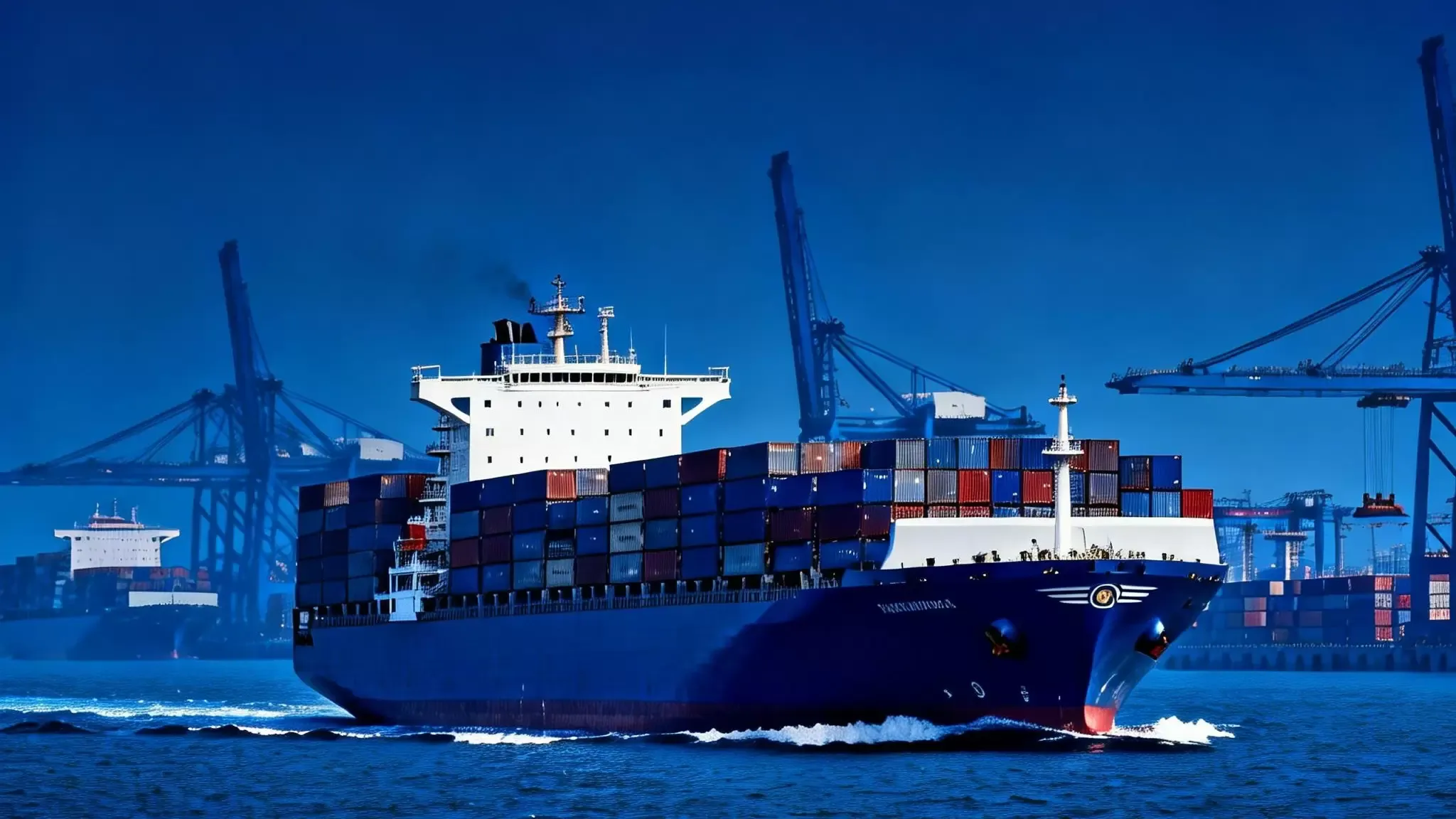
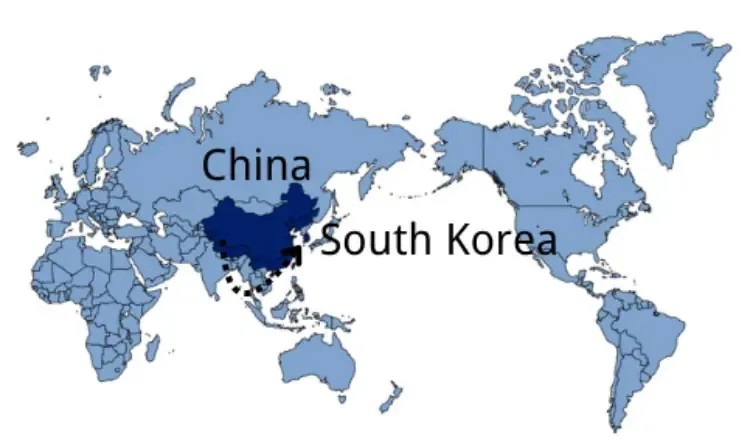
Sea Freight from China to South Korea
Cost-effective ocean freight for bulk and commercial shipments to South Korea. FCL & LCL available.
- Transit time: 30–45 days
- FCL & LCL available
- Support for South Korea import clearance
Reliable Freight Forwarder
EFANDA Logistics provides professional shipping solutions from China to South Korea, including sea freight, air freight, rail freight, and door-to-door services. We support shipments to Seoul, Busan, Incheon, Daegu, and other major South Korean ports and logistics hubs, offering reliable transit times, efficient customs clearance, and competitive freight rates.
Our Services
Sea Freight, Air Freight & Door-to-Door Solutions for South Korea Importers
Cost-effective ocean freight for bulk and commercial shipments to South Korea. FCL & LCL available.
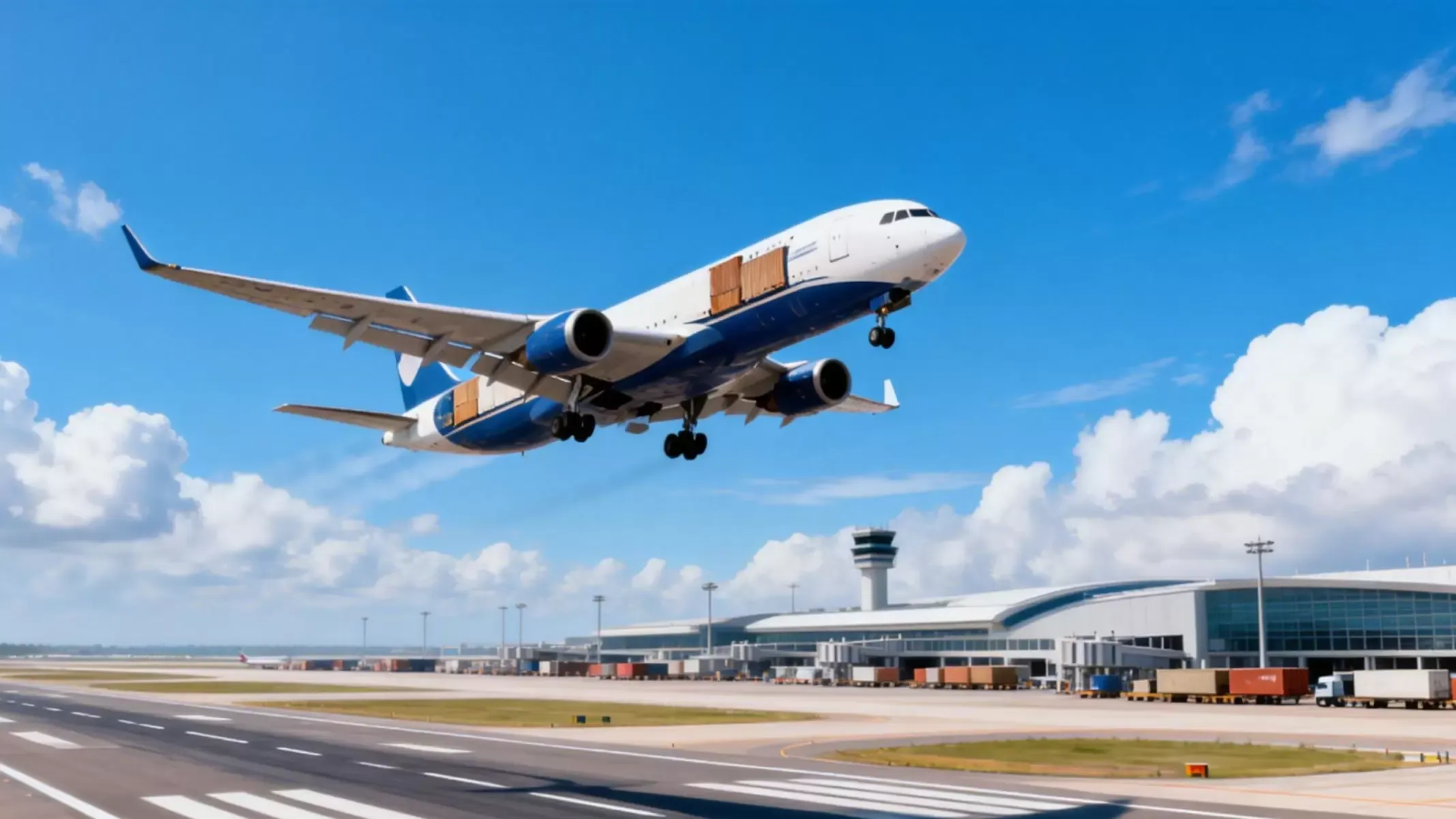
Fast and secure air cargo solutions for urgent, high-value, or time-sensitive shipments to South Korea.

Complete door-to-door logistics from pickup to delivery in South Korea.
Why Choose Us
Specialized freight forwarding solutions with proven experience in South Korea customs, ports, and delivery networks.
Direct contracts with carriers and optimized routing via major China ports help reduce shipping costs without hidden fees.
Optimized sea and air schedules with reliable ETD/ETA, minimizing delays caused by transshipment or port congestion.
Deep understanding of South Korea import regulations, HS codes, and documentation requirements to reduce clearance risks.
Dedicated customer support team available 24/7, providing timely assistance and reliable support for all your logistics needs.
Shipping from China to South Korea is one of the fastest and most efficient international logistics routes in Asia. Due to the extremely short geographical distance and strong trade ties between the two countries, shipping from China to South Korea offers unmatched advantages in terms of speed, cost efficiency, and shipment frequency.
Compared to shipping to Europe or North America, businesses can benefit from fast shipping times (as short as 2–5 days), lower logistics risks, and flexible shipping schedules. This makes South Korea an ideal destination for companies that require frequent shipments, quick inventory turnover, and reliable supply chains.
Importers can choose from multiple shipping solutions, including:
👉 With frequent sailings and dense transport networks, freight from China to South Korea is widely used for both traditional trade and eCommerce logistics.
Sea freight from China to South Korea is a highly efficient and economical shipping method, especially for transporting large volumes of cargo. Due to the short distance, sea freight from China to South Korea offers not only low cost but also extremely fast transit times compared to global shipping routes.
In many cases, container shipping from China to South Korea can be completed within just a few days, making it one of the fastest sea freight routes in the world.
Sea freight is the best choice when cost efficiency is a priority and delivery timelines allow for a few days of transit.
You should consider sea cargo from China to South Korea if:
👉 Many businesses rely on sea freight China to South Korea for bulk imports and consistent supply chain operations.
China and South Korea are connected by some of the busiest and shortest maritime routes in the world, ensuring high efficiency and frequent departures.
| Route | Transit Time |
|---|---|
| Qingdao → Busan | 2 – 3 days |
| Shanghai → Busan | 2 – 4 days |
| Ningbo → Incheon | 3 – 5 days |
👉 These routes highlight the ultra-fast shipping time from China to South Korea, making sea freight a competitive option even for relatively time-sensitive cargo.
| Advantage | Explanation |
|---|---|
| Ultra-Fast Transit | As short as 2–5 days |
| Low Cost | More economical than air freight |
| High Capacity | Ideal for bulk cargo |
| Frequent Sailings | Daily or weekly departures |
Full Container Load (FCL) shipping is ideal for businesses with large shipment volumes. It provides exclusive use of a container, ensuring better cargo safety and faster handling.
Key Features:
Best for:
👉 FCL is widely used for container shipping from China to South Korea, especially in industrial and wholesale sectors.
Less than Container Load (LCL) is suitable for smaller shipments that do not require a full container. Cargo is consolidated with other shipments, allowing cost sharing.
Key Features:
Best for:
👉 LCL is commonly used for small shipment shipping from China to South Korea, especially in fast-moving supply chains.
Roll-on/Roll-off (RoRo) shipping is designed for transporting vehicles and wheeled cargo, such as cars, trucks, and heavy machinery.
Key Features:
Best for:
👉 RoRo shipping is a specialized option within sea freight from China to South Korea, commonly used in automotive and heavy equipment industries.
| Factor | Sea Freight | Air Freight |
|---|---|---|
| Transit Time | 2–5 days | 1–3 days |
| Cost | Low | Higher |
| Best For | Bulk cargo | Urgent shipments |
Air freight from China to South Korea is one of the fastest and most widely used shipping methods, especially for businesses that require high-speed delivery and frequent restocking. Due to the short distance and dense flight network, air freight from China to South Korea can achieve extremely fast transit times, often within 1–3 days.
For many importers, especially in the eCommerce sector, express shipping from China to South Korea is not only used for urgent shipments but also as a regular logistics solution.
👉 Compared to other international routes, shipping from China to South Korea by air offers an ideal balance between speed, reliability, and cost efficiency.
| Advantage | Explanation |
|---|---|
| Ultra-Fast Delivery | Transit time as fast as 1–3 days |
| High Frequency | Multiple daily flights |
| Reliable Schedule | Less affected by port congestion |
| Ideal for Small Shipments | Suitable for eCommerce and frequent orders |
Air freight is the best choice when speed and flexibility are critical in your supply chain.
You should consider air cargo from China to South Korea if:
👉 Many businesses rely on express logistics China to South Korea to maintain competitive delivery speeds in the Korean market.
China and South Korea are connected by some of the busiest air cargo routes in Asia, enabling fast and efficient logistics operations.
| Route | Transit Time |
|---|---|
| Shanghai → Seoul (Incheon) | 1 – 2 days |
| Shenzhen → Seoul | 2 – 3 days |
| Guangzhou → Incheon | 2 – 3 days |
👉 These short routes make shipping time from China to South Korea among the fastest in global logistics.
A balanced solution between cost and speed.
Best for:
The fastest shipping option using international courier networks.
Key Features:
Best for:
👉 Widely used for express shipping from China to South Korea.
A cost-saving option where multiple shipments are combined.
Key Features:
Best for:
| Factor | Air Freight | Sea Freight |
|---|---|---|
| Transit Time | 1–3 days | 2–5 days |
| Cost | Higher | Lower |
| Best For | Urgent & small shipments | Bulk cargo |
Door to door shipping from China to South Korea is a comprehensive logistics solution where the freight forwarder handles the entire shipping process, from supplier pickup in China to final delivery at the destination in South Korea.
This method is widely used by businesses looking for a simple, efficient, and reliable way to manage shipping from China to South Korea, especially in high-frequency and eCommerce-driven supply chains.
A complete door to door shipping China to South Korea service typically includes:
Understanding Incoterms is essential when choosing the right shipping solution.
| Term | Description | Best For |
|---|---|---|
| DDP (Delivered Duty Paid) | Seller handles duties, taxes, and customs clearance | eCommerce & beginners |
| DAP (Delivered at Place) | Buyer handles import duties and taxes | Experienced importers |
👉 DDP shipping from China to South Korea is the most popular option, as it simplifies logistics and provides predictable total costs.
| Shipping Method | Delivery Time |
|---|---|
| Air Freight DDP | 2 – 5 days |
| Sea Freight DDP | 4 – 8 days |
South Korea is a fast-moving and highly competitive market, especially in eCommerce. Businesses require fast, reliable, and simplified logistics solutions.
👉 Door to door shipping from China to South Korea is widely used for:
👉 It helps businesses achieve faster delivery, reduce operational complexity, and maintain consistent shipping time from China to South Korea.
Door-to-door shipping is ideal if:
The shipping cost from China to South Korea is relatively competitive compared to other international routes, mainly due to the short distance and high shipping frequency between the two countries. Businesses can choose between sea freight and air freight, depending on cargo volume, urgency, and budget.
Understanding the cost structure is essential for optimizing your logistics strategy and controlling total expenses.
The total freight cost from China to South Korea depends on several factors:
👉 Choosing the right logistics solution can significantly reduce your overall shipping cost from China to South Korea.
Sea freight is the most cost-effective option for transporting large volumes of cargo. Due to the short transit distance, sea freight cost from China to South Korea is relatively low while still maintaining fast delivery times.
| Shipping Type | Estimated Cost |
|---|---|
| LCL (per CBM) | $20 – $60 |
| FCL (20ft container) | $500 – $1,200 |
| FCL (40ft container) | $900 – $1,800 |
👉 These rates make container shipping from China to South Korea one of the most economical options in international logistics.
👉 Sea freight is widely used for bulk cargo shipping from China to South Korea and long-term supply chain operations.
Air freight offers the fastest delivery option but comes at a higher cost compared to sea freight. However, due to the short distance, air freight cost from China to South Korea is still relatively affordable compared to long-haul international routes.
| Shipping Type | Estimated Cost |
|---|---|
| Standard Air Freight | $4 – $8 per kg |
| Express Shipping | $6 – $12 per kg |
👉 Many businesses choose express shipping from China to South Korea to maintain fast inventory turnover.
| Factor | Sea Freight | Air Freight |
|---|---|---|
| Cost | Low | Higher |
| Cost Efficiency | Best for bulk | Best for small & urgent |
| Typical Use | Large shipments | eCommerce & urgent cargo |
Shipping time is one of the biggest advantages of shipping from China to South Korea. Due to the close proximity, businesses can benefit from some of the fastest international shipping times in the world.
The total shipping time from China to South Korea depends on:
Sea freight offers a unique advantage in this route: it combines low cost with extremely fast transit times.
| Route | Transit Time |
|---|---|
| Qingdao → Busan | 2 – 3 days |
| Shanghai → Busan | 2 – 4 days |
| Ningbo → Incheon | 3 – 5 days |
👉 This makes sea shipping time from China to South Korea one of the fastest globally, even comparable to some air freight solutions.
👉 Sea freight is a strong option for businesses needing both speed and cost efficiency.
Air freight is the fastest shipping method, offering extremely short delivery times for urgent shipments.
| Route | Transit Time |
|---|---|
| Shanghai → Seoul | 1 – 2 days |
| Shenzhen → Seoul | 2 – 3 days |
| Guangzhou → Incheon | 2 – 3 days |
👉 Fast shipping from China to South Korea is most commonly achieved through air freight and express services.
| Factor | Sea Freight | Air Freight |
|---|---|---|
| Transit Time | 2–5 days | 1–3 days |
| Reliability | High | Very High |
| Best For | Bulk cargo | Urgent shipments |
Customs clearance is a critical step in shipping from China to South Korea, ensuring that goods comply with Korean import regulations before entering the market. Although South Korea has an efficient customs system, it is also known for strict compliance requirements, especially for regulated products and eCommerce shipments.
Proper documentation and accurate declaration are essential for smooth customs clearance in South Korea and to avoid delays or penalties.
To complete customs clearance from China to South Korea, the following documents are typically required:
| Document | Description |
|---|---|
| Commercial Invoice | Details of goods, value, buyer, and seller |
| Packing List | Cargo specifications (weight, volume, packaging) |
| Bill of Lading / Air Waybill | Proof of shipment |
| Import Declaration | Required for customs processing |
| HS Code | Determines duties and VAT rates |
Certain goods may require additional certifications or approvals:
👉 Providing complete documentation helps ensure faster customs clearance South Korea and reduces inspection risks.
When calculating the total shipping cost from China to South Korea, importers must consider duties and taxes.
👉 Unlike some countries, South Korea applies VAT consistently, making accurate declaration essential for compliance.
| Term | Responsibility | Best For |
|---|---|---|
| DDP (Delivered Duty Paid) | Seller handles duties, VAT, and customs clearance | eCommerce & beginners |
| DAP (Delivered at Place) | Buyer handles import clearance and taxes | Experienced importers |
👉 DDP shipping from China to South Korea is widely preferred because it simplifies the process and ensures predictable total logistics costs.
During shipping from China to South Korea, importers may face:
👉 Working with a professional freight forwarder ensures smoother customs clearance in South Korea and reduces operational risks.
When arranging shipping from China to South Korea, businesses often make avoidable mistakes that can lead to delays, increased costs, or supply chain disruptions.
Due to the fast-paced and highly competitive Korean market, these mistakes can significantly impact business performance.
South Korea is a high-speed market where delivery time is critical.
👉 Mistake:
👉 Impact:
Not selecting the right balance between sea freight and air freight from China to South Korea can lead to inefficiencies.
👉 Example:
Many businesses underestimate the importance of express shipping from China to South Korea, especially in eCommerce.
👉 Impact:
Focusing only on freight rates without considering total logistics costs can lead to budgeting issues.
Hidden costs include:
👉 This leads to inaccurate shipping cost from China to South Korea calculations.
Errors in shipping documents are a major cause of delays in customs clearance South Korea.
👉 Common issues:
Failing to comply with Korean product regulations is a critical mistake.
👉 Impact:
Not understanding shipping terms can lead to unexpected costs and responsibilities.
👉 Example:
South Korea has one of the most advanced eCommerce markets in Asia.
👉 Mistake:
👉 Impact:
| Mistake | Impact |
|---|---|
| Ignoring speed requirements | Delivery delays |
| Wrong shipping method | Increased cost or inefficiency |
| Underestimating express shipping | Slower operations |
| Incorrect cost estimation | Budget overruns |
| Documentation errors | Customs delays |
| Ignoring KC certification | Compliance risks |
| Incoterms misunderstanding | Unexpected charges |
| Ignoring eCommerce needs | Lost competitiveness |
To ensure efficient freight from China to South Korea, businesses should:
Shipping to South Korea offers unmatched speed and efficiency, but it also requires strict compliance and careful planning. By ensuring proper customs clearance from China to South Korea and avoiding common mistakes, businesses can achieve fast, reliable, and cost-effective logistics operations.
Choosing the right logistics partner is essential for ensuring efficient, reliable, and cost-effective shipping from China to South Korea. A professional freight forwarder not only handles transportation but also optimizes shipping routes, manages customs clearance, and reduces operational risks.
Due to the fast-paced and high-frequency nature of trade between China and South Korea, working with an experienced freight forwarder from China to South Korea is critical for maintaining supply chain efficiency and meeting tight delivery timelines.
👉 The right forwarder helps you balance shipping cost, shipping time, and service reliability.
A qualified freight forwarder can help businesses:
👉 This is especially important for businesses requiring fast shipping from China to South Korea and frequent restocking.
When choosing a freight forwarder for shipping from China to South Korea, consider the following key criteria:
A forwarder with strong experience in freight from China to South Korea understands:
👉 This ensures faster delivery and fewer compliance issues.
Look for a forwarder that provides full logistics services:
👉 One-stop logistics solutions simplify operations and improve efficiency.
| Cost Element | Should Be Included |
|---|---|
| Freight Charges | ✔ |
| Customs Clearance Fees | ✔ |
| VAT & Duties (DDP) | ✔ |
| Delivery Fees | ✔ |
👉 Transparent pricing ensures accurate calculation of shipping cost from China to South Korea.
Speed is a critical factor in the Korean market.
👉 A reliable forwarder should offer:
Efficient customs clearance in South Korea is essential to avoid delays.
A professional forwarder should:
A strong logistics partner should support:
👉 Flexibility is essential for high-frequency shipping China to South Korea.
Reliable communication ensures smooth operations.
👉 Look for:
| Criteria | Importance |
|---|---|
| Experience | Ensures efficient operations |
| Service Coverage | Simplifies logistics |
| Pricing Transparency | Avoids hidden costs |
| Speed Reliability | Supports fast delivery |
| Customs Expertise | Prevents delays |
| Flexibility | Supports different business needs |
| Communication | Improves reliability |
EFANDA Logistics is a professional freight forwarder specializing in shipping from China to South Korea, offering fast, flexible, and cost-effective logistics solutions tailored to modern supply chains.
With deep expertise in China–South Korea trade routes, EFANDA understands the importance of speed, frequency, and cost control, especially in eCommerce-driven markets.
EFANDA provides:
👉 Ensuring reliable and fast shipping time from China to South Korea.
We offer:
👉 Helping businesses manage logistics budgets effectively.
EFANDA specializes in:
👉 Simplifying the entire logistics process.
Our team ensures:
We support:
👉 Ideal for businesses needing fast and frequent shipping from China to South Korea.
EFANDA provides:
| Feature | EFANDA Logistics |
|---|---|
| China–Korea Expertise | ✔ |
| Ultra-Fast Shipping | ✔ |
| DDP Door-to-Door | ✔ |
| Transparent Pricing | ✔ |
| Customs Clearance Support | ✔ |
| eCommerce Logistics | ✔ |
Choosing the right freight forwarder is essential for optimizing shipping from China to South Korea. With a professional partner, businesses can achieve faster delivery, lower costs, and more reliable logistics operations.
👉 EFANDA Logistics combines industry expertise, flexible shipping solutions, and customer-focused service to help businesses succeed in the Korean market.
FAQ
Due to the short distance, transit times are very fast: Shipping Method: Transit Time; Sea Freight (FCL/LCL): 2–7 days; Air Freight: 1–3 days; Express Shipping (Courier): 1–3 days; Door-to-Door Shipping: 3–10 days; Sea freight is cost-effective for bulk cargo, while air and express shipping are ideal for urgent deliveries.
The most economical shipping option is sea freight, especially: FCL (Full Container Load) for large shipments LCL (Less than Container Load) for smaller shipments Thanks to frequent shipping routes between China and South Korea, freight rates are highly competitive. Working with Efanda Logistics ensures optimized routes and lower overall shipping costs.
To ensure smooth customs clearance, the following documents are required: Commercial Invoice Packing List Bill of Lading (B/L) or Air Waybill (AWB) Import Declaration Certificate of Origin (for tariff benefits under trade agreements) Import License (if required) Accurate documentation is critical to avoid customs delays.
Yes. Imports into South Korea may be subject to: Import Duty (varies by HS Code) VAT (Value Added Tax) – typically 10% Under the China–South Korea Free Trade Agreement, some goods may qualify for reduced or zero tariffs if proper documentation is provided.
Door-to-door shipping includes: Pickup from your supplier in China International transport (sea, air, or express) Customs clearance in South Korea Final delivery to your address This is the most convenient and efficient logistics solution, especially for SMEs and eCommerce businesses.
Major logistics hubs include: Busan Port – One of the largest ports in Asia Incheon Port – Key gateway near Seoul Seoul (Incheon International Airport) – Main air cargo hub Busan & Daegu – Important regional logistics centers Choosing the right entry point can reduce delivery time and costs.
To optimize your logistics costs: Use sea freight for large shipments Consolidate cargo (LCL) Optimize packaging to reduce dimensional weight Plan shipments in advance Choose appropriate Incoterms (FOB, CIF, DDP) Partnering with Efanda Logistics helps you achieve cost-efficient and reliable shipping.
Key factors to consider: Criteria: Why It Matters; Experience in Korea logistics: Ensures compliance with local regulations; Strong carrier network: Provides competitive rates and stable schedules; Customs clearance expertise: Avoids delays; Transparent pricing: Prevents hidden costs; Full-service capability: Simplifies logistics; Efanda Logistics offers reliable and cost-effective China–South Korea shipping solutions with end-to-end support.
Send an Inquiry
Tell us about your cargo and destination — our logistics specialist will reply with a tailored shipping to south korea solution, routing options, and a clear cost breakdown.
Prefer instant chat?
WhatsApp +86 189 2934 5880· Email info@efandatrans.com
More Services
Get a fast, transparent shipping quote tailored to your cargo, route, and delivery needs — no obligation, no hidden fees.
End-to-End Freight Forwarding Services from China