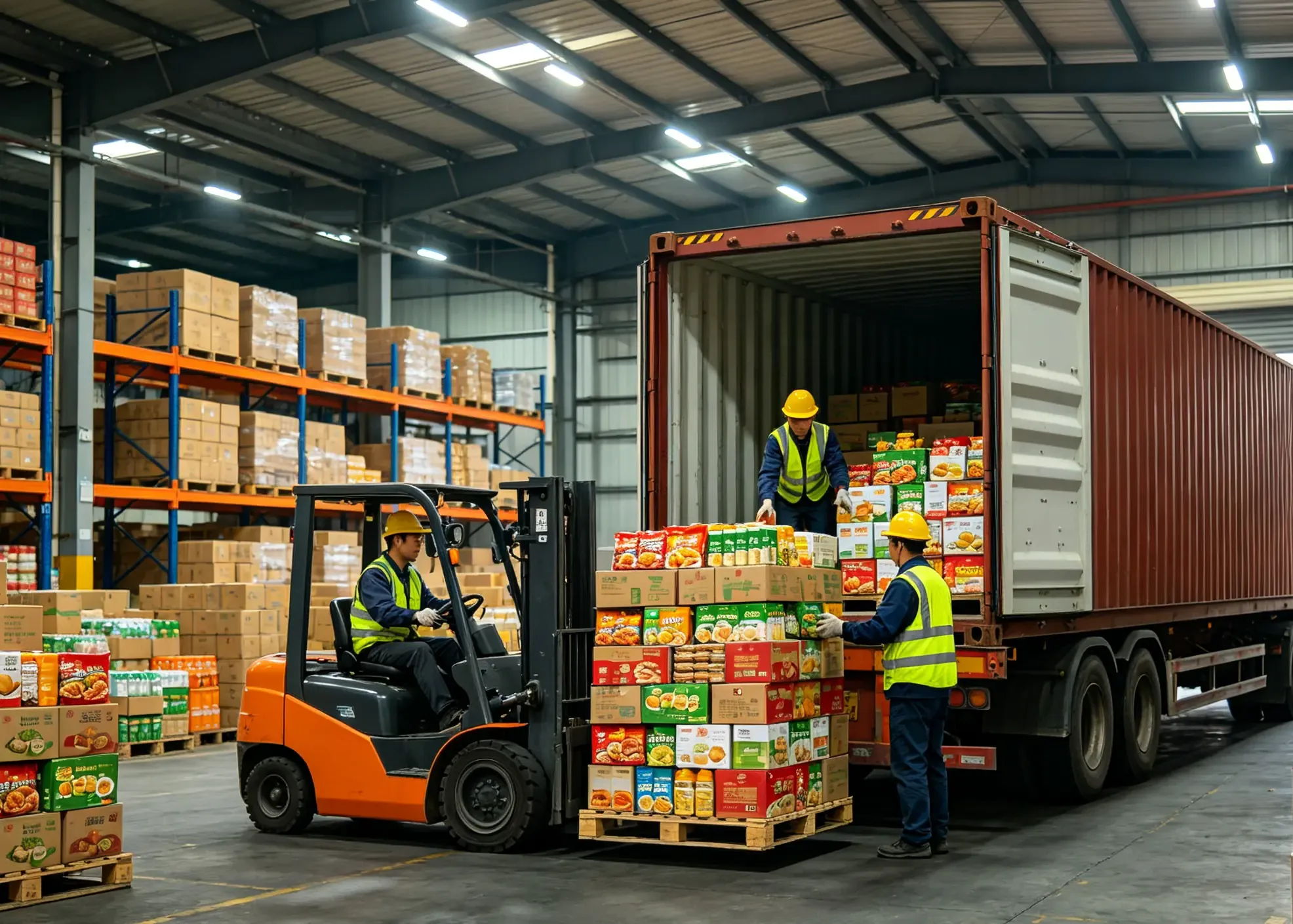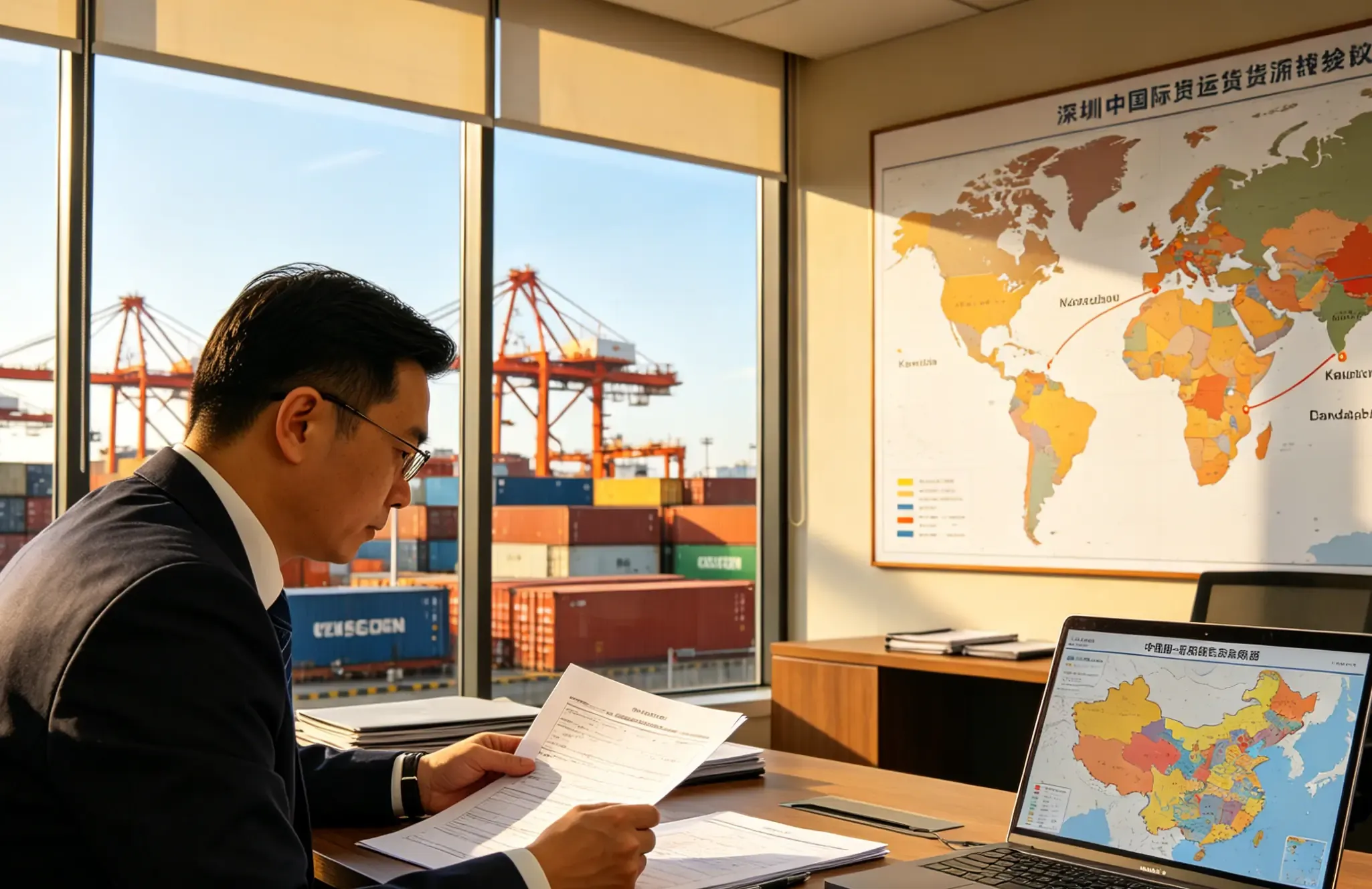
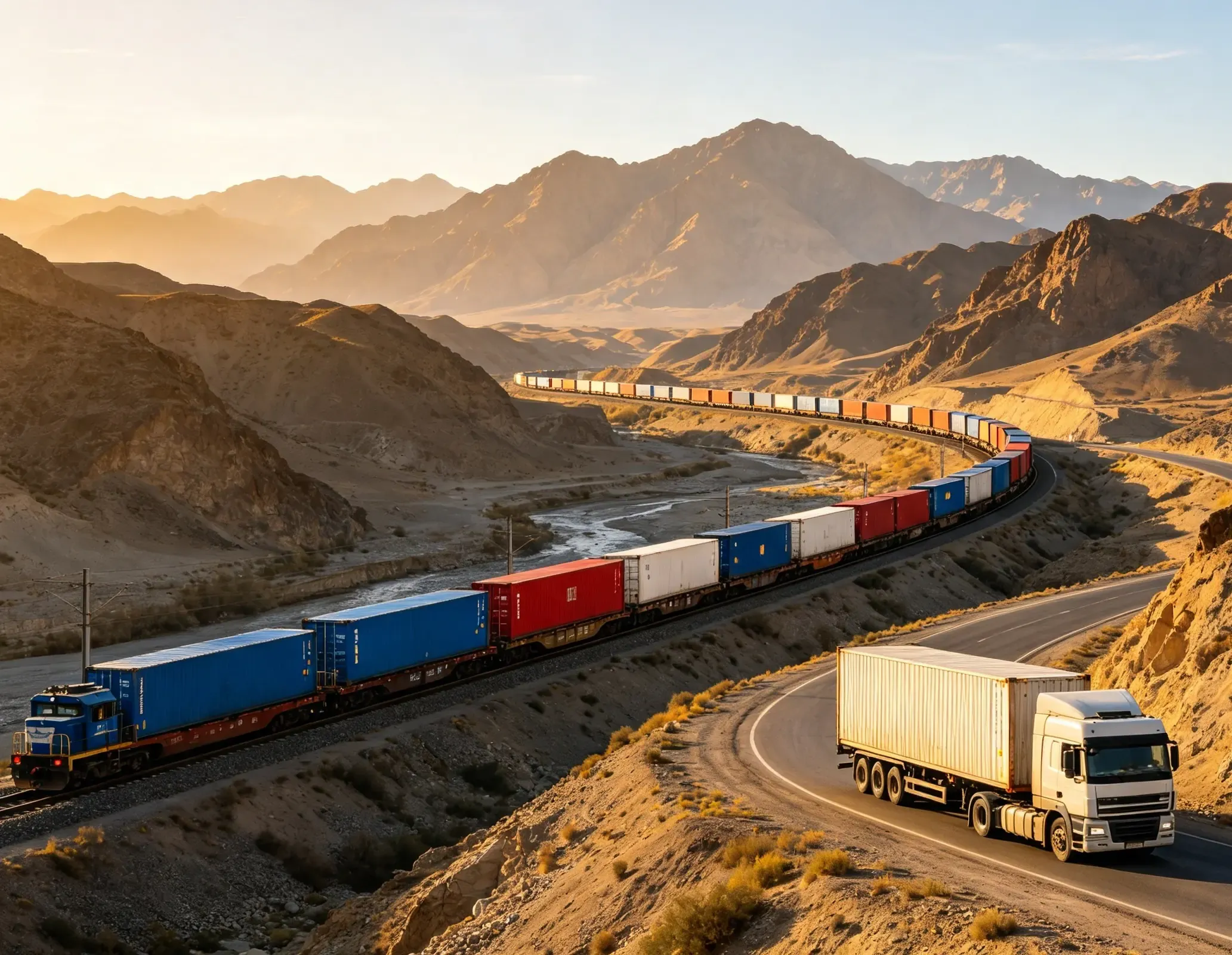
Are you trying to move machinery, construction supplies, or consumer goods from a Chinese factory to Kabul, Herat, or Mazar-i-Sharif without paying air-freight rates or waiting months for sea-land alternatives? Learning how to ship goods from China to Afghanistan by rail and road is no longer a niche question. As Central Asian corridors expand and a new 2026 multimodal route through Turkmenistan opens, importers have more overland choices than ever before. Yet Afghanistan is landlocked, and the Wakhan Corridor is not a viable commercial border, so every “rail” or “road” shipment is really a coordinated chain of rail segments, truck legs, and border handovers across multiple countries.
This guide focuses on shipping from China to Afghanistan by rail and road, explaining the corridors that matter in 2026, when rail beats road, what documents you need, how much you should budget, and how to manage the risks that come with Afghan transit. By the end, you will have a practical framework for choosing a freight forwarder from China to Afghanistan and a realistic idea of what your shipment will involve.
Why Rail and Road Freight Are Strategic Options for Afghanistan
Afghanistan has no coastline. Every shipment must enter through a neighboring country, making the corridor choice as important as the carrier. Sea freight from China to Karachi or Bandar Abbas is a common starting point for sea-land routing, but it adds port handling, transshipment, and congestion risk. Rail freight and road freight from China cut out some of those delays and give shippers more control over timing.
Rail is especially useful for FCL (Full Container Load) and LCL (Less than Container Load) cargo that is heavy, dense, or not urgent enough to justify air freight from China. Compare FCL vs LCL shipping if you are unsure which fits your cargo. Road transport is faster and more flexible, making it the better choice for urgent commercial cargo, perishables, or deliveries to remote provinces that lack rail access.
In 2026, the landscape is shifting. A new China–Kazakhstan–Uzbekistan–Turkmenistan–Afghanistan multimodal corridor is moving cargo to Herat in roughly 30 days, and the Khaf–Herat railway is improving direct rail access to western Afghanistan. These developments do not replace the northern Hairatan corridor, but they give importers more routing options.
Major Rail and Multimodal Routes from China to Afghanistan
Because Afghanistan’s rail network is limited, most “rail” shipments from China are actually multimodal: rail across Kazakhstan, Uzbekistan, or Turkmenistan, followed by truck for the final leg. Four main options follow.

Northern Corridor via Kazakhstan and Uzbekistan (Hairatan)
The most established rail corridor runs from China through Alashankou or Khorgos/Altynkol into Kazakhstan, then west through Uzbekistan to the Hairatan border crossing near Mazar-i-Sharif.
| Segment | Details |
|---|---|
| Route | China → Kazakhstan → Uzbekistan → Hairatan → Mazar-i-Sharif |
| Key border crossings | Alashankou, Khorgos/Altynkol |
| Transit time | ~18–30 days to Hairatan/Mazar-i-Sharif |
| Best for | Bulk cargo, machinery, FCL/LCL to northern Afghanistan |
| Gauge change | Standard gauge (1,435 mm) to broad gauge (1,520 mm) at Khorgos/Alashankou |
This corridor is reliable for industrial cargo, with regular block-train departures from Xi’an, Zhengzhou, Chengdu, and Yiwu. From Hairatan, cargo is trucked onward to Kabul or other inland destinations.
New 2026 Central Asia Multimodal Corridor (via Turkmenistan to Herat)
Launched in 2026, this route is the most significant recent development for western Afghanistan. Cargo travels by rail from China to Altynkol in Kazakhstan, continues through Uzbekistan to the Bukhara logistics hub, then crosses Turkmenistan by truck before reaching Herat.
| Segment | Details |
|---|---|
| Route | China → Altynkol → Uzbekistan → Bukhara → Turkmenistan → Herat |
| Distance | ~7,400 km |
| Transit time | ~30 days |
| Operators | Uzbekistan Railways subsidiary Uztemiryulcontainer / Bukhara Logistics Center |
| Best for | Western Afghanistan, alternative to sea-land via Iran |
Because this corridor is new, schedules and capacity can vary. Confirm availability with your forwarder and treat estimates as planning ranges.
China–Iran–Afghanistan Rail Corridor (Khaf–Herat)
This developing route uses China’s westbound rail connections through Turkmenistan into Iran, then the Khaf–Herat railway to Rozanak station in Herat province. Pilot shipments have moved cargo without unloading and reloading at the border, which reduces handling damage and delay.
| Segment | Details |
|---|---|
| Route | China → Turkmenistan → Iran → Khaf–Herat railway → Rozanak station |
| Best for | Herat and western provinces |
| Status | Developing; less proven than the northern corridor |
This option is worth monitoring, but it lacks the frequency and maturity of the northern corridor.
Rail-Truck Combined Transport to Kabul and Inland Cities
For cargo bound for Kabul, Kandahar, or other cities without direct rail service, the most flexible approach is rail to a Central Asian hub such as Almaty or Tashkent, followed by FTL (Full Truckload) or LTL (Less than Truckload) road delivery.
| Segment | Details |
|---|---|
| Typical route | China → Almaty/Tashkent → truck to Kabul or inland Afghan city |
| Transit time | ~40–45 days total |
| Best for | Destinations not directly served by rail |
This model sacrifices speed for reach, but it is often the only practical way to serve central or southern Afghanistan.
Major Road Routes from China to Afghanistan
Road transport offers door-to-door flexibility that rail cannot match. Three road corridors dominate the market.
Full Truck Transport via Tajikistan (Shir Khan Bandar)
Trucks leave China through Khorgos Port or the seasonal Karasu border (May–October), cross Tajikistan, and enter Afghanistan at Shir Khan Bandar.
| Segment | Details |
|---|---|
| Route | China → Khorgos/Karasu → Tajikistan → Shir Khan Bandar |
| Transit time | ~15–20 days |
| Best for | Urgent commercial cargo, perishables, medium shipments |
| Risks | Seasonal Karasu closure, border dwell time, road quality |
This is one of the faster pure overland options, but it depends on stable conditions in Tajikistan and reliable processing at Shir Khan Bandar.
Truck Transport via Pakistan (Khunjerab Pass → Torkham/Spin Boldak)
The Pakistan corridor is the traditional route for cargo bound for Kabul, Kandahar, and eastern Afghanistan. Trucks cross from Xinjiang over the Khunjerab Pass, continue through Pakistan, and enter Afghanistan at Torkham or Spin Boldak.
| Segment | Details |
|---|---|
| Route | China → Khunjerab Pass → Pakistan → Torkham/Spin Boldak |
| Transit time | ~12–25 days |
| Best for | Heavy machinery, construction materials, east/south Afghanistan |
| Risks | Security incidents, border delays, winter closure of Khunjerab Pass |
This corridor is mature but volatile; political events, customs disputes, and seasonal closures can disrupt schedules.
Road via Iran (Bandar Abbas/Islam Qala)
For western Afghanistan, many shipments move by sea to Bandar Abbas and then by truck across Iran to the Islam Qala border near Herat.
| Segment | Details |
|---|---|
| Route | China → sea to Bandar Abbas → truck to Islam Qala → Herat |
| Overland transit | ~18–25 days after port arrival |
| Best for | Herat, Islam Qalah, western provinces |
| Risks | Iranian customs complexity, sanctions and banking friction |
This is often treated as a sea-land option, but the overland leg is essential for western Afghanistan.
China–Central Asia Road-Rail Hybrid
A hybrid model—rail to Almaty or Tashkent with onward trucking—is useful when direct trucking from China is too expensive.
Rail vs. Road vs. Sea-Land: Which Mode Should You Choose?
The right mode depends on your cargo, destination, budget, and risk tolerance. The table below compares the main options for Afghanistan-bound shipments in 2026.
| Mode | Transit Time | Cost Level | Best Cargo Type | Best Afghan Region | Reliability / Risk |
|---|---|---|---|---|---|
| Rail FCL (northern corridor) | 18–30 days | Medium | Bulk, machinery, industrial goods | Northern Afghanistan, Mazar-i-Sharif | Stable schedules; gauge-change dwell |
| New 2026 multimodal corridor | ~30 days | Medium-High | General cargo, western Afghanistan | Herat, western provinces | New route; confirm capacity |
| Full truck via Tajikistan | 15–20 days | High | Urgent commercial, perishables | Kabul, northeast | Faster but weather/border sensitive |
| Truck via Pakistan | 12–25 days | Medium-High | Machinery, construction materials | Kabul, Kandahar, east/south | Security and political volatility |
| Sea-land via Pakistan (Karachi → Torkham) | 20–35 days | Low | Large FCL/LCL, non-urgent | Kabul, Kandahar, Jalalabad | Port and border congestion |
| Sea-land via Iran (Bandar Abbas → Islam Qala) | 25–40 days | Low-Medium | Western Afghanistan cargo | Herat, Islam Qalah | Iranian customs and banking complexity |
For a full comparison of ocean-based options, see our guide to sea shipping from China to Afghanistan. Use this destination mapping as a starting point:
- Kabul, Kandahar, Jalalabad: Sea-land via Karachi/Torkham or full truck via Tajikistan.
- Mazar-i-Sharif and northern Afghanistan: Rail to Hairatan or road/rail via Termez.
- Herat and western Afghanistan: New 2026 Central Asia corridor or sea-land via Iran.
- Remote or southern provinces: Pakistan routing with extra security and customs buffers.
Key Afghan Entry Points and Dry Ports
Knowing where cargo enters Afghanistan helps plan customs, insurance, and last-mile delivery.
| Entry Point | Bordering Country | Main Access Mode | Serves |
|---|---|---|---|
| Hairatan | Uzbekistan | Rail / Road | Mazar-i-Sharif, northern Afghanistan |
| Aqina / Torghundi | Turkmenistan | Rail / Road | Western and northwestern provinces |
| Shir Khan Bandar | Tajikistan | Road | Kunduz, northeast Afghanistan |
| Islam Qalah | Iran | Road | Herat, western Afghanistan |
| Torkham / Spin Boldak | Pakistan | Road | Kabul, Kandahar, east/south |
| Kabul Dry Port | — | Inland hub | Inland distribution and customs clearance |
| Ghazanfar Dry Port | — | Inland hub | Multimodal distribution |
Most cargo clears at a dry port or inland depot, then moves by local truck to the consignee.
Costs, Rates, and Hidden Charges
Shipping cost from China to Afghanistan is highly variable. The figures below assume standard shipping container dimensions and are planning ranges based on 2026 market conditions; they should be treated as estimates, not fixed quotes.
| Route / Mode | 20ft FCL Planning Range | 40ft FCL Planning Range |
|---|---|---|
| Sea-land via Pakistan (Karachi → Torkham) | $4,500 – $6,500 | $6,000 – $9,000 |
| Sea-land via Iran (Bandar Abbas → Islam Qala) | $4,200 – $6,200 | $5,800 – $8,500 |
| Northern rail-truck via Hairatan | $4,800 – $7,000 | $6,500 – $9,500 |
| Full truck via Tajikistan | Typically quoted per truck or per kg/CBM | Higher per-unit cost than rail |
For rail-only segments to Central Asian hubs, benchmark against published 2026 rates such as Xi’an–Almaty or Xi’an–Tashkent, then add Afghan trucking, customs, and handling. LCL shipments are usually quoted per CBM or per tonne, whichever is greater.
Hidden Line Items to Request in Every Quote
- Origin and destination handling charges
- Customs brokerage and documentation fees
- Gauge-change or transshipment fees at Khorgos/Alashankou
- Demurrage and detention after free time
- War-risk or all-risk cargo insurance
- Last-mile trucking inside Afghanistan
- Security escort fees for high-risk road segments
- Storage at dry ports if customs clearance is delayed
Always ask for an itemized quote valid for a specific shipment window. Rail freight cost and transit time in 2026 can shift quickly with fuel prices, border congestion, and seasonal demand.
Customs Clearance and Required Documents
Afghanistan-bound cargo crosses multiple customs regimes; consistent paperwork is the best way to avoid border holds.
China Export Clearance
Your forwarder or a Chinese customs broker will need:
- Commercial Invoice
- Packing List
- Export customs declaration
- Correct HS Code classification
- Export license or inspection certificate for regulated goods
Transit Documentation
For the international leg, the documents depend on the corridor:
- CIM-SMGS rail waybill for China–Central Asia rail segments
- CMR for road transport
- Transit declarations (T1 or equivalent) through each transit country
Make sure consignee name, cargo description, package count, gross weight, and container number match across the waybill, invoice, and packing list.
Afghanistan Import Clearance
At the Afghan border or dry port, the consignee or broker typically provides:
- Commercial Invoice and Packing List
- Certificate of Origin
- Bill of Lading (B/L), rail waybill, or CMR
- Afghan customs declaration
- Import license or permit for restricted goods
- Phytosanitary or fumigation certificate when required
- APTTA transit documentation for Pakistan-routed cargo
Common Documentation Mistakes
- Mismatched HS descriptions between the invoice and the waybill
- Missing certificates of origin
- Incomplete transit paperwork at CIS borders
- Failing to declare dual-use or regulated goods
A professional customs clearance partner can pre-screen documents before cargo moves—especially valuable in Afghanistan, where border re-work is expensive.
Cargo Insurance, Security, and Compliance Risks
Shipping to Afghanistan involves risks standard policies may not cover. Planning for them upfront protects your cargo and balance sheet.
War-Risk and All-Risk Insurance
Standard marine insurance often excludes conflict-affected areas or only covers port-to-port movement. For Afghanistan, request cargo insurance services such as ICC (A) all-risk warehouse-to-warehouse coverage that explicitly includes:
- Gauge-change handovers at Khorgos/Alashankou
- Transit through each corridor country
- Afghan inland trucking to the final destination
- Coverage at 110% of cargo value
Gauge-Change Liability Gaps
Carrier liability during gauge change at China–Kazakhstan borders can be limited. Do not assume the rail operator’s liability is enough; confirm the coverage limit and buy additional insurance if needed.
Security Risks
Certain road corridors benefit from convoy practices, licensed security partners, and route monitoring. Ask your forwarder about security protocols, especially for Pakistan or remote Afghan legs.
Sanctions and Banking
Afghanistan-related transactions can trigger banking compliance reviews. Before booking:
- Confirm your forwarder can process Afghanistan payments
- Check whether your cargo falls under dual-use export controls
- Verify the credentials of any Afghan receiving party
Political and Operational Volatility
Border closures, route shifts, and customs changes happen. Build a 5–10 day buffer into quoted transit time and identify a backup corridor if possible.
Seasonal Factors and Transit-Time Buffers
Timing affects cost and reliability. Use the calendar below to plan around predictable disruptions.
| Period | Impact | Planning Advice |
|---|---|---|
| Q4 (October–December) | Peak congestion at Khorgos/Altynkol, Dostyk, and Pakistan borders; rates rise 15–25% | Book early; add buffer days |
| Pre-Chinese New Year | Pre-holiday rush, then capacity lull | Ship before or after the rush |
| Winter (December–March) | Khunjerab Pass closed; Karasu border limited May–October | Avoid Pakistan road routing in deep winter |
| April–May | Spring construction demand lifts rates for machinery | Plan budget increases |
| Afghan operational patterns | Dry-port clearance capacity and local trucking fluctuate | Coordinate with local partners |
Add 5–10 days to any quoted rail or road transit time for Afghanistan. This buffer absorbs border dwell, customs inspections, and local handling delays.
Five Actionable Tips for Shipping to Afghanistan by Rail and Road
If you are preparing your first shipment or improving an existing lane, these five steps will save time and money.
- Request itemized quotes. An “all-in” rate without breakdown hides handling, customs, and last-mile charges. Ask for every line item.
- Pre-screen HS codes and documents. Have your forwarder review the commercial invoice, packing list, and waybill before cargo departs. Mismatches at CIS or Afghan customs are expensive to fix.
- Buy ICC (A) all-risk warehouse-to-warehouse insurance. Make sure it covers gauge-change handovers and Afghan inland transit, not just the main carriage.
- Consolidate cargo at the right Chinese hub. Yiwu, Shenzhen, Urumqi, and Xi’an each serve different supplier bases. Consolidation improves container utilization and simplifies documentation.
- Confirm current corridor status before booking. New routes like the 2026 Turkmenistan corridor may have limited schedules. Always verify capacity and transit-time estimates with your forwarder.
How Efanda Logistics Can Help
Choosing the right corridor is only part of the challenge. Execution matters just as much. Efanda Logistics, founded in 2018 and headquartered in Shenzhen, specializes in shipping from China to Afghanistan for B2B importers, traders, and contractors.
Our service covers supplier pickup, warehouse consolidation, Chinese export customs, rail or road booking, transit coordination, Afghan clearance support, and door-to-door shipping. We provide transparent, market-based quotes with no hidden fees, and each client works with a dedicated logistics specialist who tracks the shipment through every border and dry port.
If you are comparing rail, road, or multimodal options for your next shipment, contact Efanda Logistics for a tailored route recommendation and a detailed quote.
FAQ
How long does rail freight take from China to Afghanistan?
Most rail shipments to Afghanistan take 18–35 days, depending on the corridor, border congestion, and onward trucking. Treat newer corridor estimates as planning ranges until schedules mature.
Is there a direct rail line from China to Afghanistan?
No. Afghanistan does not share a direct rail connection with China. All rail freight is multimodal, typically transiting Kazakhstan, Uzbekistan, Turkmenistan, or Iran before entering Afghanistan by rail or truck.
What is the cheapest way to ship from China to Afghanistan?
For large, non-urgent shipments, sea-land routing through Pakistan or Iran is usually cheapest. For faster overland service, rail FCL to Central Asian hubs plus onward trucking often balances cost and speed better than full truck transport.
Which Incoterm is best for Afghanistan shipments—FOB, CIF, or DDP?
- FOB gives you control over the international carrier after the goods leave the Chinese port.
- CIF includes ocean freight and insurance to the destination port, but you still manage Afghan inland logistics.
- For a side-by-side comparison of the first two terms, read our guide to FOB vs CIF.
- DDP shipping (Delivered Duty Paid) is often the simplest choice for Afghanistan because the forwarder handles export, transit, import clearance, and last-mile delivery.
Do I need cargo insurance for Afghanistan, and what type?
Yes. Standard marine coverage may exclude conflict zones or inland legs. Ask for ICC (A) all-risk warehouse-to-warehouse insurance covering gauge-change handovers and Afghan trucking.
Can I ship FCL and LCL to Afghanistan by rail and road?
Yes. FCL is common on rail block trains and full-truck services. LCL can be consolidated into shared containers in Yiwu, Shanghai, or Guangzhou, then moved by rail or sea-land to Afghan dry ports.
What documents are required for customs clearance in Afghanistan?
At minimum: commercial invoice, packing list, certificate of origin, bill of lading or waybill, and Afghan customs declaration. Regulated goods may need import licenses, phytosanitary certificates, or fumigation certificates.
Why can’t trucks drive directly from China to Afghanistan?
China and Afghanistan share the Wakhan Corridor, but it is remote, mountainous, and has no commercial road infrastructure. All road freight must transit through Kazakhstan, Kyrgyzstan, Tajikistan, Uzbekistan, Turkmenistan, Pakistan, or Iran.
Conclusion
Shipping goods from China to Afghanistan by rail and road requires more than a single carrier booking; it demands corridor selection, document discipline, risk management, and realistic expectations. Whether you choose the established northern rail corridor to Hairatan, the new 2026 multimodal route to Herat, or a flexible road option through Tajikistan or Pakistan, the key is to match the mode to your cargo, destination, and risk tolerance.
Work with a forwarder who explains each option transparently, provides itemized quotes, and supports you through Chinese export, transit-country handovers, and Afghan customs. If you need a partner who understands how to ship goods from China to Afghanistan by rail and road, Efanda Logistics is ready to help plan, book, and deliver your next shipment.
Written by the EFANDA Logistics team — a Shenzhen-based freight forwarder established in 2018, moving cargo from China to ports worldwide with end-to-end pickup, consolidation, customs and door delivery.About us